
The windows are open, the dust bunnies are banished, and your closet finally makes sense. You can cross "spring cleaning" off the checklist. But as you survey your work from the driveway, there's a new problem. You're staring at The Pile.
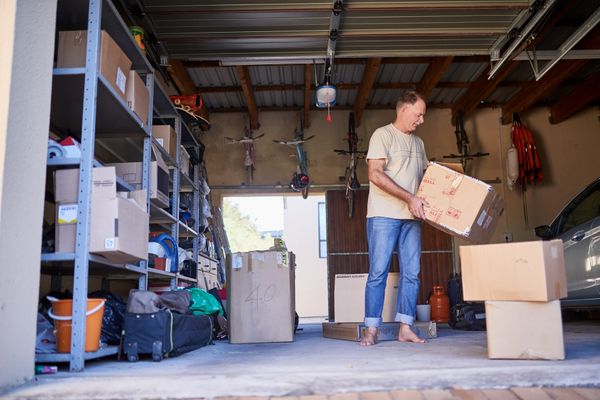
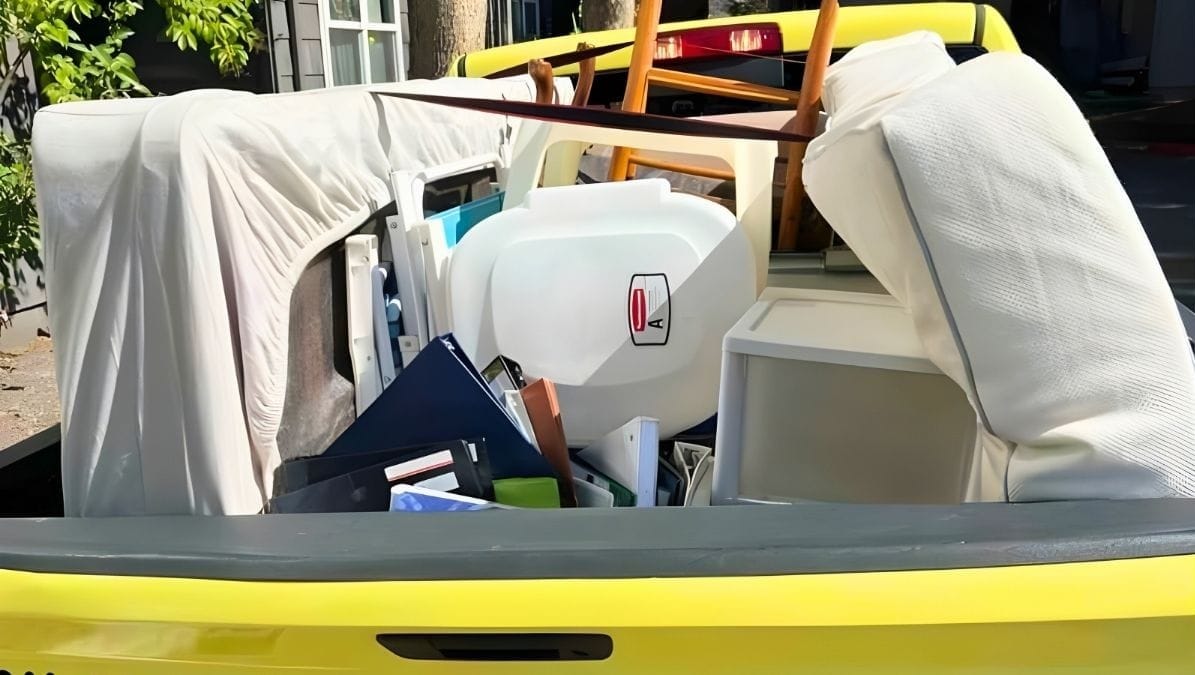
The Pile consists of broken furniture, bags of clothes that haven’t fit since 2019, and that old mattress you’ve been meaning to toss. The cleaning part is done — but finding a dump or donation center near you to actually get rid of it all? That's where most people stall out.
You're not alone. The hauling phase is where spring cleaning resolutions go to die. So here's your complete guide to clearing out The Pile responsibly — whether your stuff is headed for a donation center, the landfill, or a junk removal service.
Sort everything first (and be ruthless about it)
Before you start searching for a dump near you or loading up the car, separate your items into two categories: donate and junk.
Donate: Items need to be clean, in working condition, and free of major rips or stains. A good rule of thumb — if you wouldn't hand it to a friend, don't hand it to a charity.
Junk: Broken appliances, stained mattresses, construction debris, and anything that's unsafe or unsanitary. This stuff is headed for a waste transfer station or recycling center, not Goodwill.
Getting this step right saves you from the worst spring cleaning scenario: loading your car, driving 20 minutes, and getting turned away at the door.
How to find a donation center near you
Giving your items a second home is the best-case scenario. However, not all donation centers take all items.
Step 1: Know what's available in your area
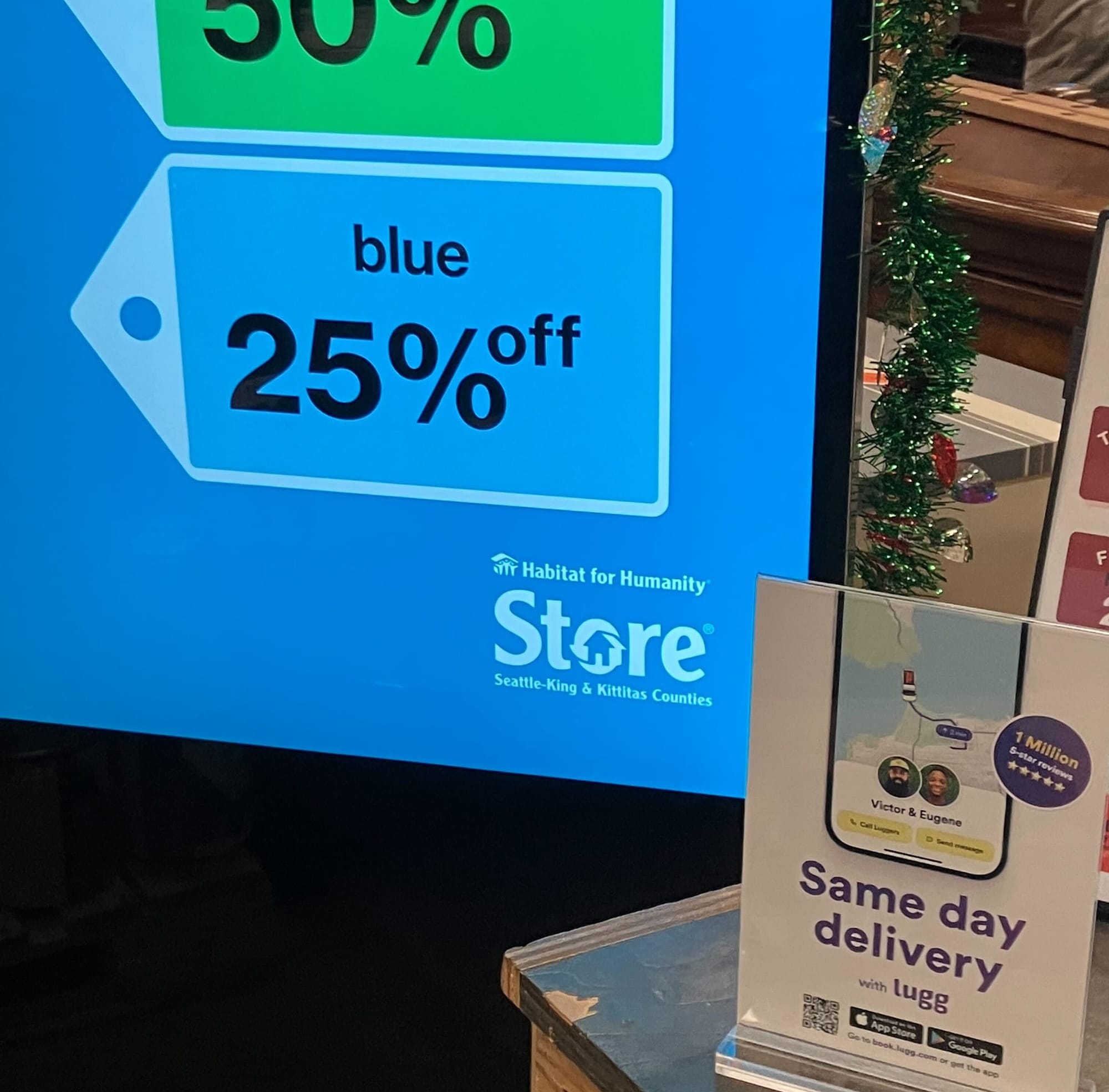
The big national chains: Goodwill, The Salvation Army, and Habitat for Humanity ReStores are the most widely available options. ReStores are especially good for furniture and building materials. Goodwill and Salvation Army handle clothing, housewares, and small electronics.

Local shelters and nonprofits: Women's shelters, homeless shelters, and animal rescues often maintain specific wish lists. Linens, small kitchen appliances, and gently used towels are frequently requested items that big chains have plenty of.
Buy Nothing groups: Sometimes the best donation center is your neighbor's front porch. Facebook Buy Nothing groups let you post items for free local pickup — no driving required. This is particularly useful for large furniture that's hard to transport.
Step 2: Verify before you drive
The single most frustrating part of donating is loading your car, driving across town, and being told they can't accept your items. Always check the charity's website or call ahead for a current list of prohibited items.
Common items that donation centers won't take: mattresses (bed bug risk), older tube TVs and CRT monitors, baby cribs and car seats (safety regulations), furniture with stains or pet damage, and anything with a recall.
Step 3: Furniture donation pickup services
If you've got large furniture to donate, you may not need to haul it yourself. In select locations Goodwill, The Salvation Army, and Habitat for Humanity ReStore may offer furniture donation pickup. Availability varies widely and you'll usually need to book a few days in advance.
Search "[charity name] + furniture pickup + [your city]" to check availability. Or, if you'd rather not wait, Lugg can pick up your donation items and drop them off at the charity of your choice, typically same-day.
How to find a dump or landfill near you
If an item is broken beyond repair, stained beyond salvation, or just plain unsafe, it's time for the landfill. But Googling "dump near me" can be surprisingly confusing, because the terminology has changed.
Search for "waste transfer station," not "the dump"
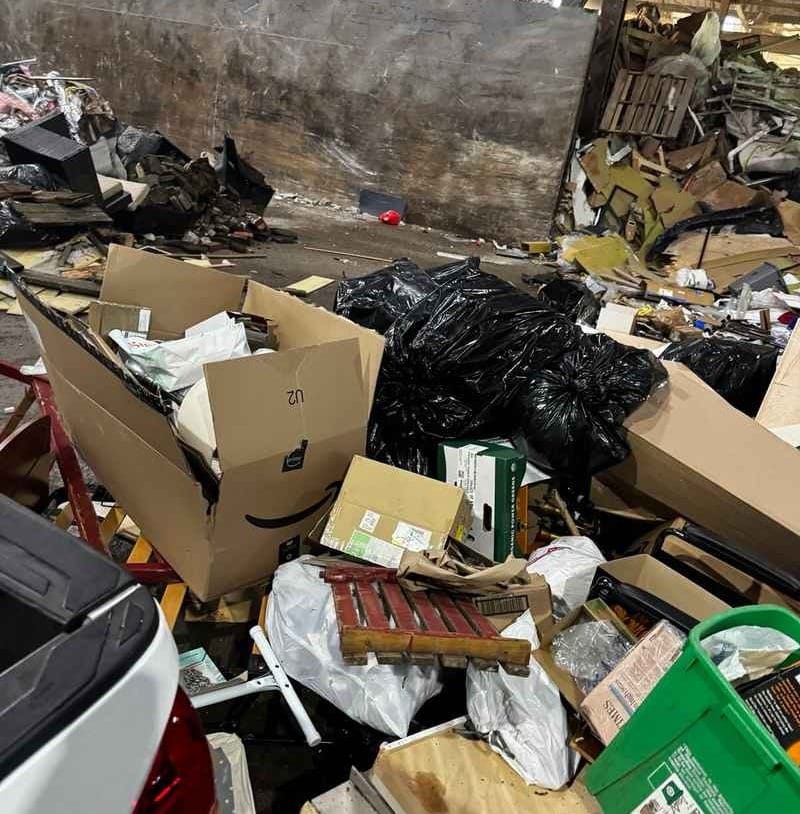
Most cities don't have an open dump where you drive onto a trash heap anymore. What they have are waste transfer stations — processing facilities where you pay to drop off waste, which then gets hauled to a regional landfill.
Your best search terms: "waste transfer station near me," "public drop-off facility [your city]," or "landfill near me." Your city or county's public works website will usually have a page listing hours, fees, and accepted materials.
Understand the tipping fee before you go
Disposing of waste isn't free. Most transfer stations charge a tipping fee (also frequently called a disposal fee, gate rate, or weight fee) based on weight, item, or vehicle type. Expect a minimum gate fee of $20-$50 just to enter, with larger loads costing more.
Here's a rough idea of what typical tipping fees look like:
| Vehicle type | Typical fee range |
|---|---|
| Sedan/SUV (small load) | $20-$40 |
| Pickup truck (half bed) | $30-$60 |
| Pickup truck (full bed) | $50-$100 |
| Trailer or large haul | $75-$200+ |
Fees vary widely by municipality. Call ahead or check your facility's website for current rates.
Prepare for the trip
A few things to know before you load up:
Bring ID. Many municipal facilities require proof of residency in the county or district. A driver's license usually works.
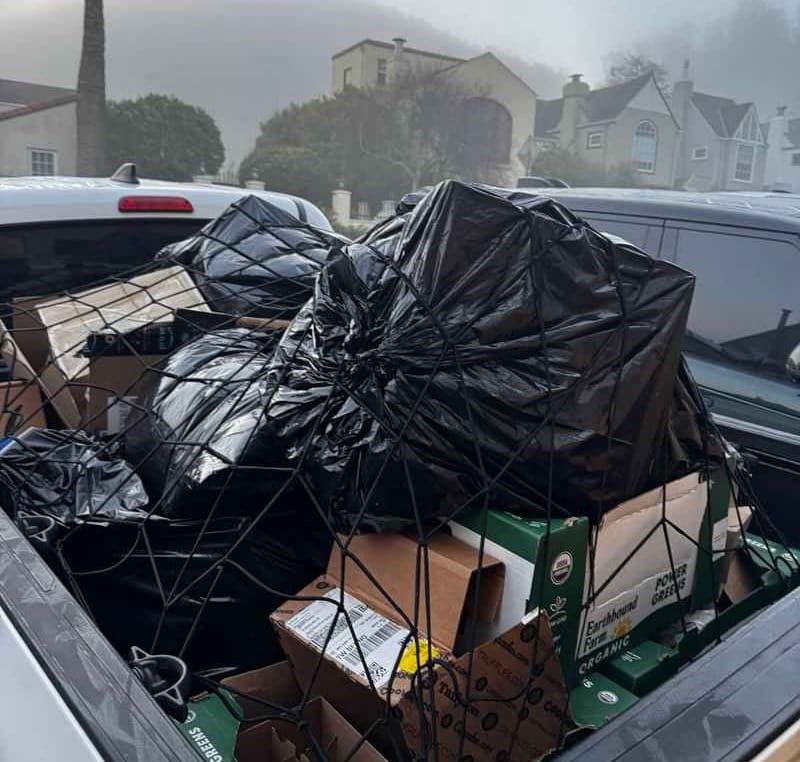
Cover your load. Driving with an uncovered truck bed full of debris is illegal in most states — and you can get ticketed on the way to the dump. Bring tarps and bungee cords or ratchet straps.
Wear closed-toe shoes. Transfer stations are industrial zones with nails, broken glass, and heavy equipment. Leave the flip-flops at home.
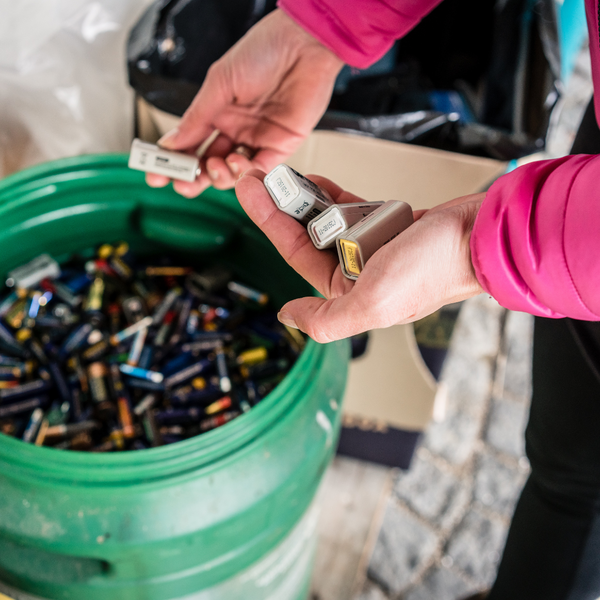
Know what they won't take. Hazardous waste (paint, chemicals, batteries, old electronics) usually requires a separate drop-off at a dedicated hazardous waste disposal facility. Most cities hold periodic household hazardous waste collection events — check your local government's website for the schedule.
DIY hauling vs. junk removal: is it worth doing yourself?
Knowing how to find a dump or donation center near you is one thing. Actually getting your stuff there is another. Before you commit to the DIY route, it's worth doing some quick math.
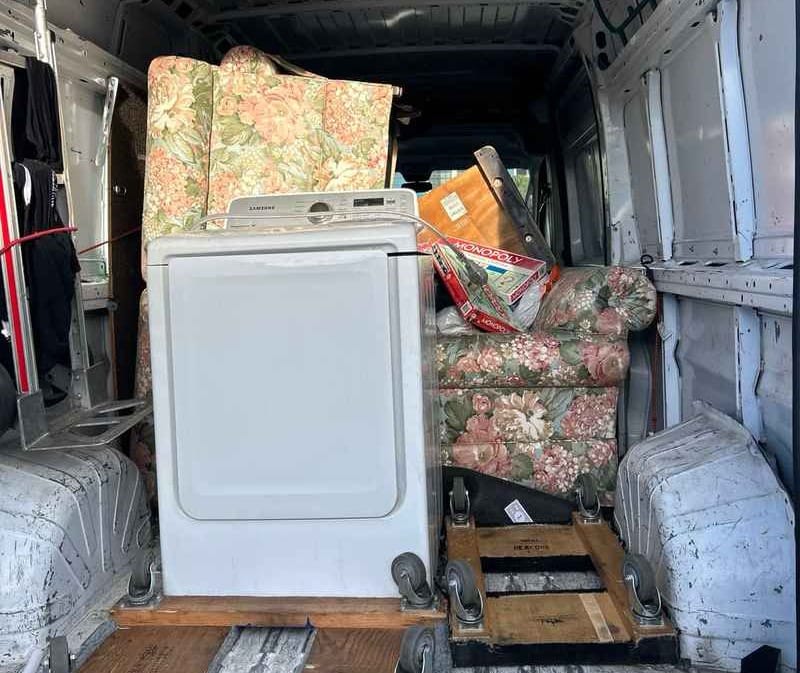
Does it fit in your vehicle? A sedan can't safely carry a mattress. A sectional sofa isn't fitting in an SUV. If your pile includes bulky items like couches, dressers, or appliances, you're probably looking at renting a truck — which means more time, money, and a learning curve if you've never driven one.
Is it worth your Saturday? Between renting a pickup, buying tarps, waiting in line at the transfer station, and paying tipping fees, a trip to the dump can easily eat an entire day. That's before factoring in gas, mileage fees on the rental, and the energy it takes.
Can you physically handle it? Muscling a 150-pound dresser out of a truck bed by yourself is a fast track to a pulled back. Heavy, bulky items really do need two people — at minimum.
If more than one of those answers gave you pause, a junk removal service like Lugg might save you both time and money compared to the DIY approach. Especially if your pile is a mix of donatable and junk items that need to go to different places.
Skip the hassle and let Lugg handle The Pile
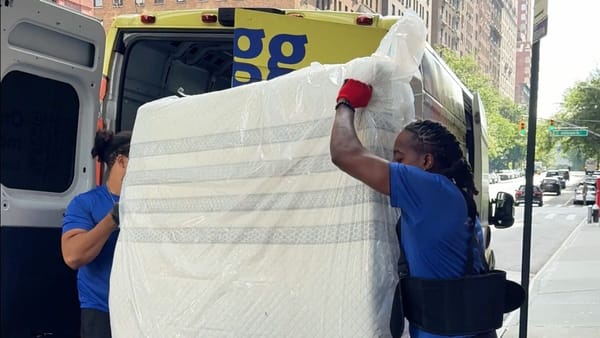
Lugg isn't just for apartment moves. You can book Lugg movers to take care of junk removal and donation drop-offs too — usually same-day.
The best part? Lugg can handle multiple stops in a single trip. That means your Lugg movers can drop the home items at Goodwill, swing by the ReStore with your old cabinets, and take whatever's left to the transfer station — all in one booking. No sorting into separate trips, no making three runs across town on your Saturday.
Donation runs: Tell your Lugg movers where you want your items to go. They'll load everything up and deliver it to your local Goodwill, Salvation Army, ReStore, or wherever you choose.
Junk removal: Got broken stuff that needs to go to the transfer station or recycling facility? Lugg movers will haul it away so you don't have to deal with tarps, tipping fees, and industrial-zone parking lots.
No truck rental, no heavy lifting. Your Lugg movers bring the truck and the muscle. You just point at The Pile.
Open the Lugg app, snap a photo of what needs to go, and reclaim your space.
Frequently asked questions
How do I find a dump near me?
Search for "waste transfer station" or "public drop-off facility" plus your city name. Most municipalities list locations, hours, and fees on their public works or sanitation department website. The term "dump" usually refers to a waste transfer station in modern usage — open landfills are rare in most metro areas.
What items can I donate after spring cleaning?
You can donate clean clothing, working electronics, functional furniture without major damage, kitchenware, books, and small appliances. Items must be in usable condition. Most donation centers won't accept mattresses, baby cribs, car seats, or recalled products due to safety regulations.
Do Goodwill and Salvation Army pick up furniture?
Both Goodwill and The Salvation Army offer furniture donation pickup in many cities, but availability varies widely by location. You'll typically need to schedule several days in advance and meet minimum item requirements. Check their local websites or call your nearest location to confirm.
How much does it cost to use a waste transfer station?
Most waste transfer stations charge a tipping fee based on your vehicle size or load weight. Expect to pay $20-$50 minimum for a small load in a car or SUV, and $50-$100+ for a full pickup truck bed. Fees vary by municipality, so check your local facility's website for current rates.
How do I get rid of a mattress?
Mattress disposal options include your local waste transfer station (for a tipping fee), scheduling a bulky item pickup through your city's sanitation department, or booking a junk removal service like Lugg. Most donation centers and charities won't accept used mattresses due to bed bug and hygiene concerns.
What can't I bring to a transfer station?
Most waste transfer stations don't accept hazardous materials like paint, motor oil, pesticides, propane tanks, batteries, or electronics. These items require drop-off at a dedicated hazardous waste disposal facility. Many cities hold periodic household hazardous waste collection events — check your local government's website.
How much does junk removal cost?
Junk removal pricing varies by company, load size, and your location. Expect roughly $100-$300 for a medium load and $300-$500+ for larger hauls. With Lugg, you can snap a photo of your pile in the app and get upfront pricing before you book — and Lugg can make multiple stops (donation center, transfer station, recycling) in a single trip.
How do I get rid of a couch or large furniture I can't lift?
For couches and other bulky items you can't move alone, you have a few options: schedule a bulky item pickup through your city's sanitation department (often free or low-cost, but limited to certain days), book a junk removal service like Lugg for same-day pickup, or post it on a Buy Nothing group for someone to haul away. If the couch is in good shape, Goodwill and Salvation Army may pick it up for free in some areas.
Is there a free way to get rid of large furniture?
Some charities offer free furniture pickup if your items are in good condition. You can also post large furniture on Facebook Buy Nothing groups or Craigslist Free for local pickup. If the furniture is damaged or unsanitary, you'll likely need to pay for disposal at a transfer station or book a junk removal service.