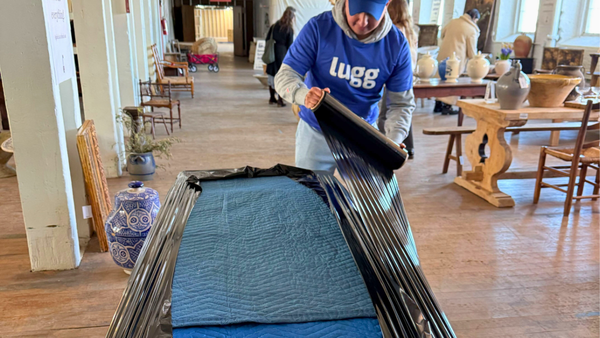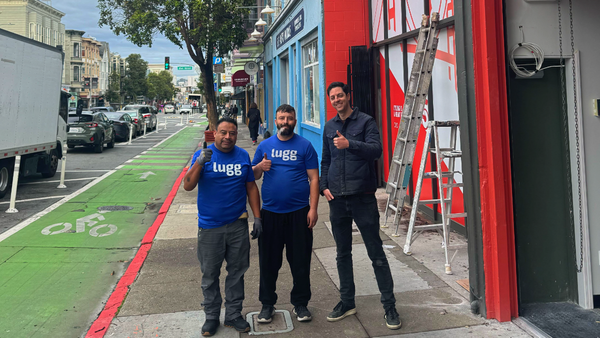

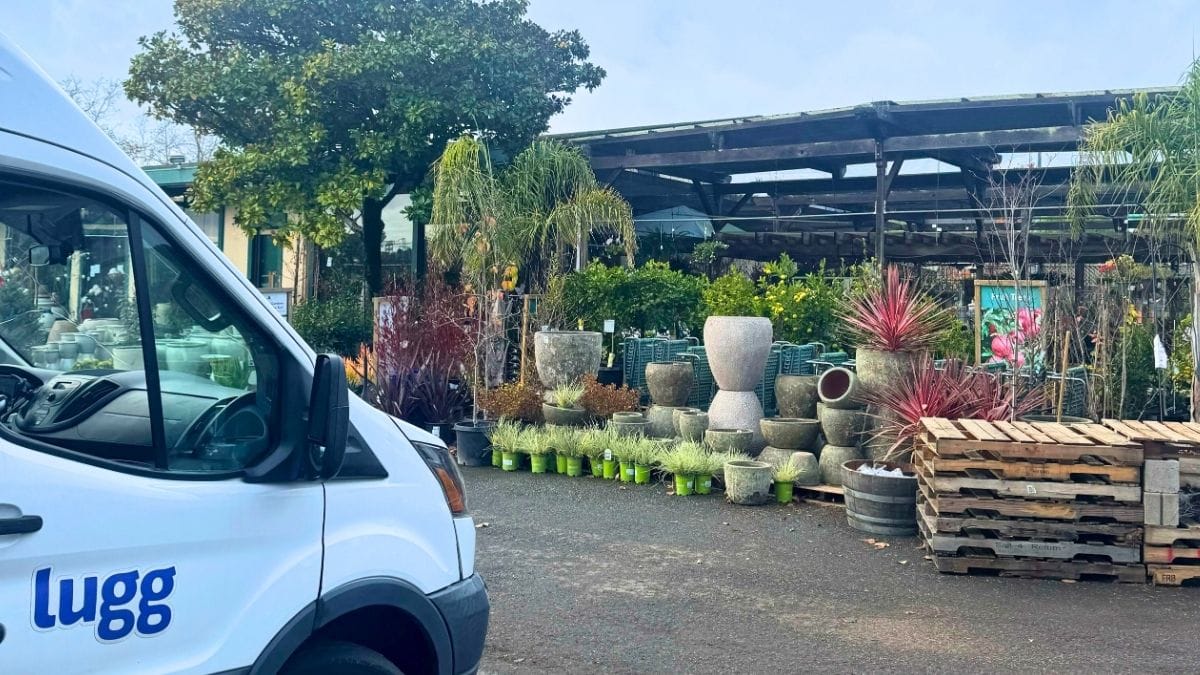
Few garden centers are as woven into Bay Area neighborhoods as Sloat Garden Center. With 12 locations—each with its own character—Sloat has spent decades creating a full-service experience rooted in expert plant knowledge, friendly staff, and a true community feel.
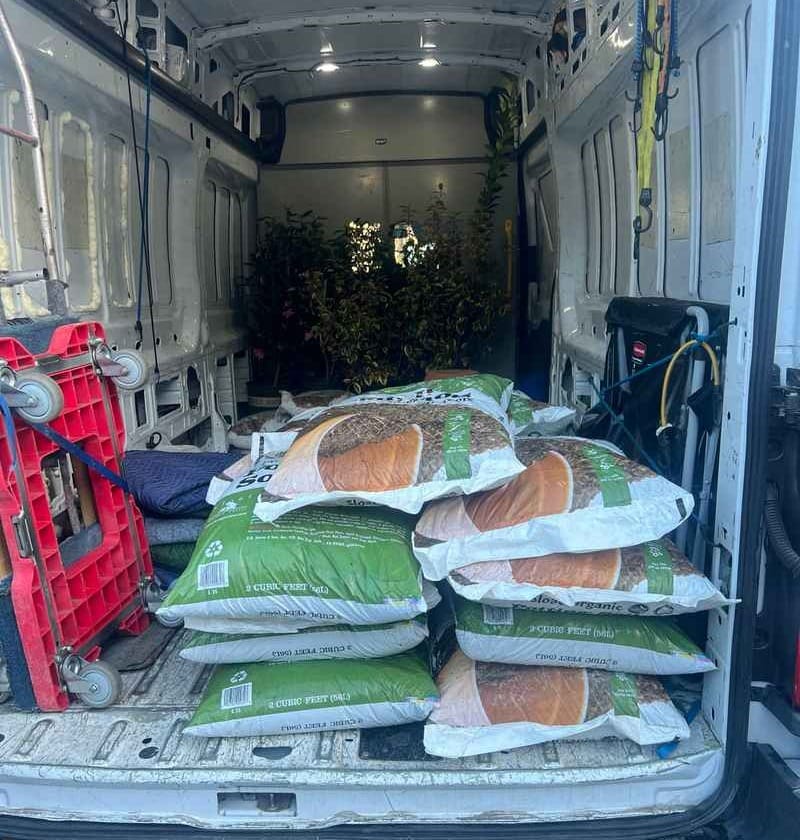
So when it comes to getting large plants, oversized pottery, soil, garden supplies, and holiday trees delivered, Sloat needed a delivery partner that matched their service standards. For them, that partner has been Lugg, offering on-demand, same-day, and scheduled plant delivery across the Bay Area.
Recently, we sat down with Zack Straus, President and CFO of Sloat Garden Center, to talk about Sloat’s delivery evolution and how Lugg supports their operations, staff, and customers.
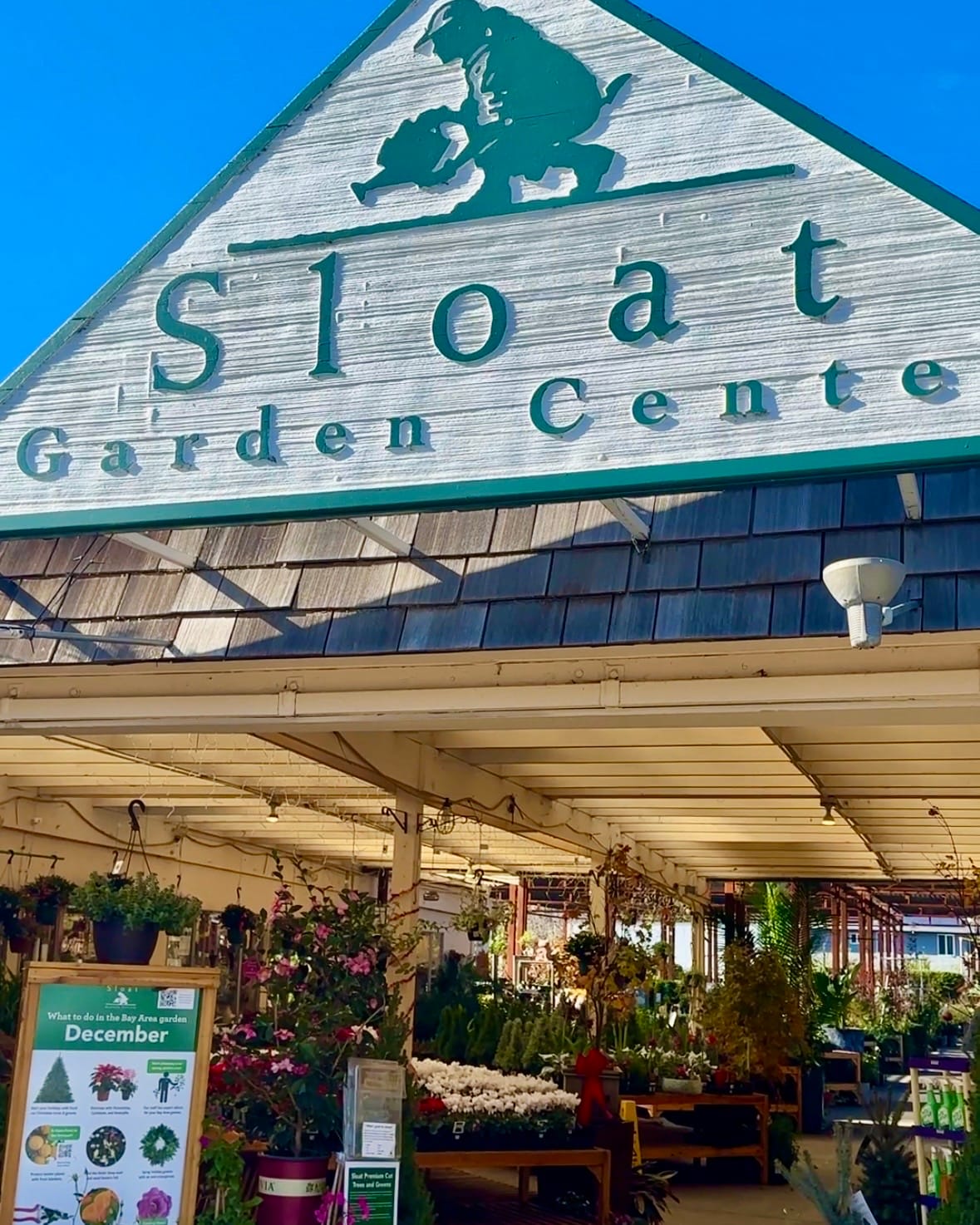
A Local, Family-Owned Garden Center Focused on Full-Service Care
Sloat isn’t just a nursery, it’s a multi-location Bay Area institution. As Zack puts it, no two stores are alike, but they share one mission: “Be the people with plant knowledge who help customers through the experience and make them feel welcome.”
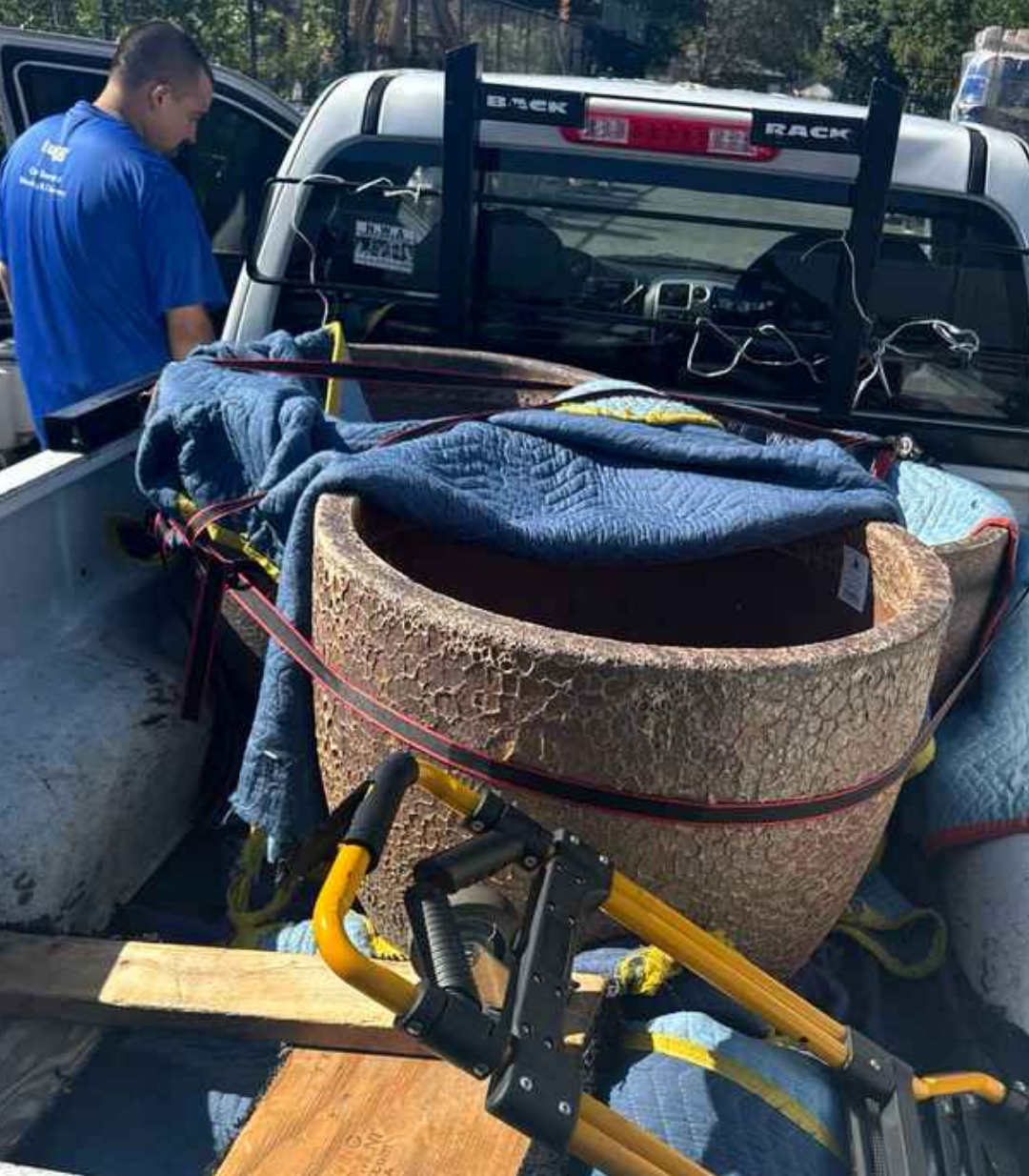
Each store has its own personality, shaped by the neighborhood it serves. The staff are genuine plant experts who walk customers through every purchase, from picking the right succulent to coordinating delivery for 200-pound ceramic pots.
What really sets Sloat apart is their pottery program. For roughly 50 years, they've imported containers directly from overseas manufacturers, skipping distributors entirely. Customers often find the same pots at about half the price of competitors. That's a major draw, but it also means Sloat’s product mix often includes items that are heavy, fragile, or too big to fit in a car. Delivery is essential.
Some days Zack still jumps in trucks, loads cars, and rings registers when the moment calls for it. That hands-on culture runs through the whole organization. Yet even with that scrappy spirit, the old delivery model was creating problems they couldn't ignore.
Before Lugg: In-House Delivery Was Costly, Time-Consuming & Hard to Scale
Before partnering with Lugg, Sloat operated like most garden centers. Each store maintained its own pickup truck and kept at least one to three approved drivers on staff. Assistant managers and top team members regularly left the sales floor to run deliveries, sometimes for hours at a time.
The logistics got complicated fast. Stores would designate specific "delivery days," batch orders together, and send someone out on routes that could eat up an entire shift. During spring rush—Sloat's busiest season—pulling a knowledgeable employee off the floor meant fewer people helping customers make buying decisions.
That meant:
- Employees (often managers) spent full days doing deliveries
- Deliveries were limited to specific routes and windows
- High costs for trucks, maintenance, insurance, and fuel
- Missed windows or delays during peak seasons
- Lost sales opportunities when key staff were out on the road
During peak seasons, that inefficiency wasn’t just frustrating — it was holding the business back.
"I hated when our assistant manager would be out on the road all day in spring. It was so inefficient."
Sloat also tried third-party delivery through Roadie before finding Lugg. That experience was frustrating: deliveries took days instead of hours, and sometimes the wrong vehicle showed up entirely. The unreliability pushed them to look for something better.
For retailers like Sloat, on-demand delivery works best when inventory is bulky or fragile, staffing needs to stay on the sales floor, and customers expect fast, predictable delivery without scheduling days in advance.
Delivery Comparison: In-House vs. Roadie vs. Lugg
To understand why Sloat made the switch, here’s how each delivery option performed.
| Criteria | In-House (DIY) | Roadie | Lugg |
|---|---|---|---|
| Reliability | ⚠️ Depends on staff availability | ⚠️ Very inconsistent, wrong vehicles, long waits | ✅ Predictable, fast, highly reliable |
| Delivery Speed | ⚠️ 1–2 days per week + batching | ⚠️ Sometimes days | ✅ Arrival within 30 minutes |
| Staff Impact | ⚠️ Pulls managers off the floor | ⚠️ Still requires coordination | ✅ Zero internal labor after booking |
| Vehicle Requirements | ⚠️ 12–15 trucks, costly fleet | ⚠️ None, but quality suffers | ✅ None, Lugg brings the truck |
| Cost Predictability | ⚠️ Undercharging / unclear | ⚠️ Unpredictable | ✅ Fixed partner pricing |
| Customer Experience | ⚠️ Delays, limited windows | ⚠️ Poor experience | ✅ Seamless + predictable |
| Peak Season Performance | ⚠️ Breaks under pressure | ⚠️ Breaks completely | ✅ Scales instantly (multiple crews) |
| Training Required | ⚠️ High | ⚠️ Low but poor quality | ✅ Low + standardized |
The differences became clearest when Sloat compared in-house delivery, third-party gig services, and Lugg side by side.
Partnering With Lugg: Faster, Predictable Delivery for Sloat Customers
Sloat officially partnered with Lugg in 2018 after customers had already started organically discovering the service on their own. What began as individual shoppers booking their own deliveries evolved into a structured relationship with fixed pricing and dedicated support.
Zack says the difference was immediate:
- Lugg provided a modern last-mile delivery solution
- Predictable delivery pricing improved checkout conversations
- Multiple drivers meant Sloat could complete five or six deliveries in the time they used to complete one
- Delivery wait times shrank dramatically
- Staff stayed in-store helping customers instead of driving trucks
"I mean, we've only had positive experiences (with Lugg). Honestly, it's been a huge benefit for us."
Why Fixed Partner Pricing Matters at Retail Checkout
When Sloat first evaluated delivery costs, Zack had a realization: they'd been dramatically undercharging for in-house deliveries. A $20 delivery fee barely covered gas, let alone the hour and a half of labor from a top team member plus vehicle wear and depreciation.
"We realized we were massively undercharging for delivery. With Lugg’s fixed pricing, the conversation at checkout became clear and straightforward."
With Lugg's fixed partner pricing, staff can estimate delivery costs before even opening the booking portal. A typical delivery—say, a single person in a pickup truck—runs around $56. That number might have caused sticker shock years ago, but customers today expect realistic delivery pricing across every industry.
The predictability helps at checkout too. Instead of awkward conversations about variable costs or surprise fees (which cause 88% of shoppers to abandon carts), team members quote a straightforward price. Customers know exactly what they're paying, and the transaction moves forward smoothly.
Taking Control with the Lugg Business Portal
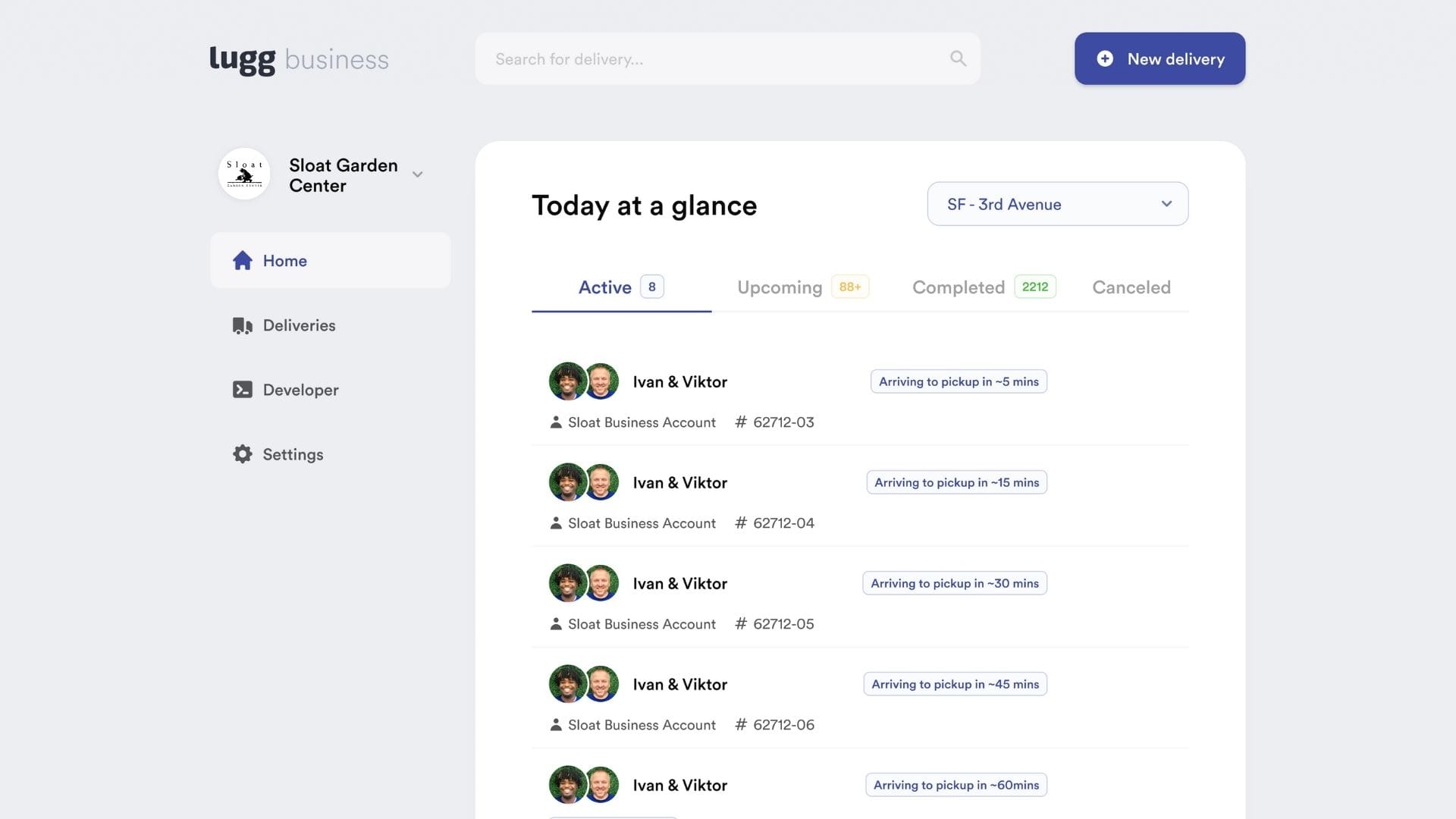
In 2022, Sloat started using the Lugg Business Portal to schedule deliveries on behalf of customers rather than asking shoppers to download an app and book themselves. The shift addressed a real friction point that had been slowing things down.
Here's the thing: some customers are tech-savvy and comfortable with apps. Others use their phones primarily for calls and texts. During busy weekends, staff couldn't always walk someone through the booking process step by step. The portal eliminated that bottleneck entirely.
"We cut a bunch of hours and didn't see a decrease in sales"
Now, delivery booking happens as part of a single transaction at the register:
- The team member enters delivery details while ringing up the purchase
- The delivery fee gets added to the same transaction
- The customer receives a confirmation text and doesn't have to do anything else
- It's seamless—and it feels like the full-service experience Sloat has always promised.
Driving Internal Adoption: Champions at Each Store
Rolling out any new process across 12 locations takes time. Zack noticed that adoption varied depending on each store manager's enthusiasm for championing the change.
Stores with strong internal advocates quickly saw the value. When a customer is spending $800 on plants and pottery, offering to handle delivery from start to finish closes the sale and builds loyalty. Other locations took longer to move away from the old habit of pushing responsibility onto customers.
"It’s part of our culture now. Everyone learns how to set up a (Lugg) delivery."
Scaling Through Peak Seasons Without Extra Trucks
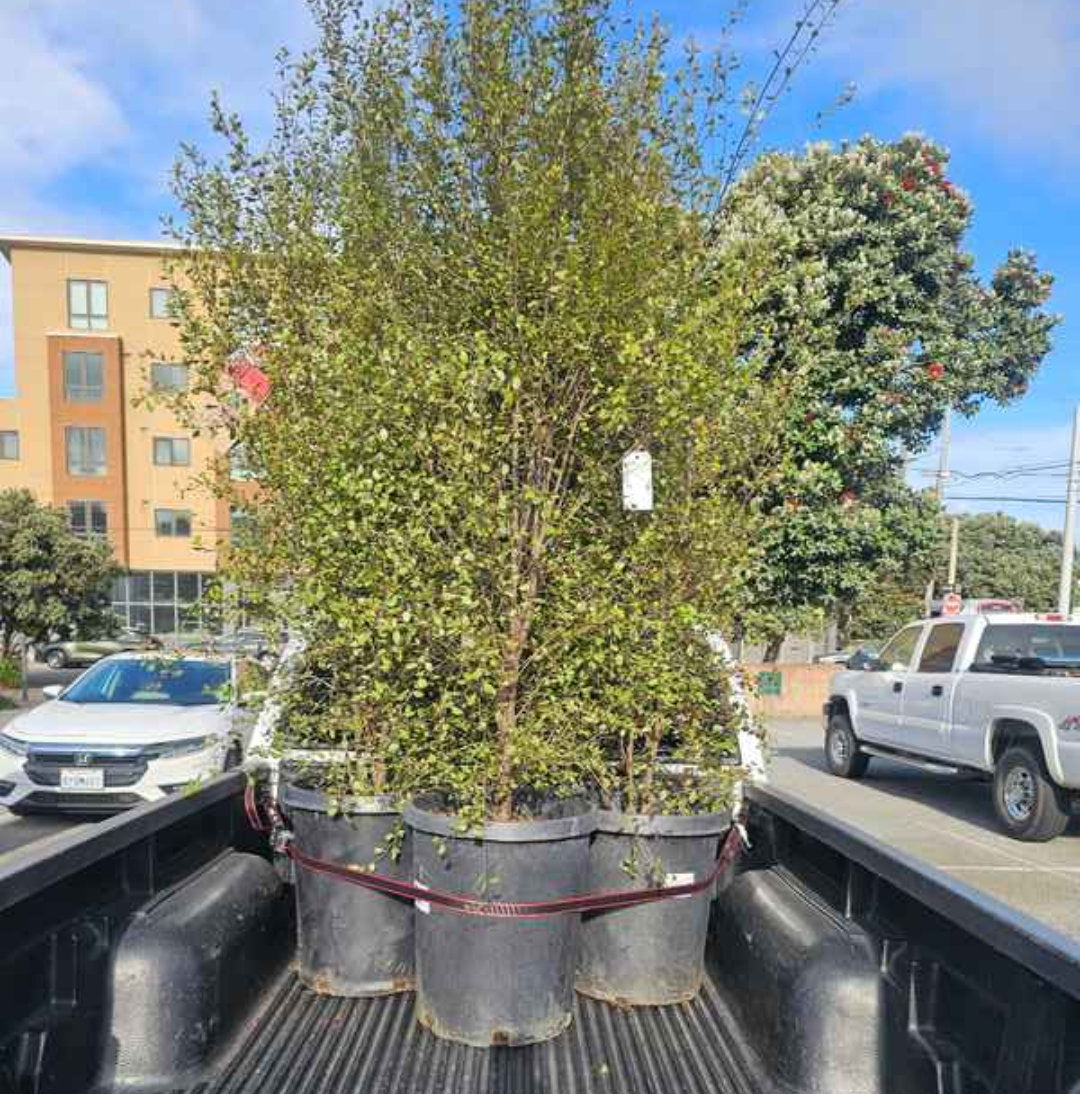
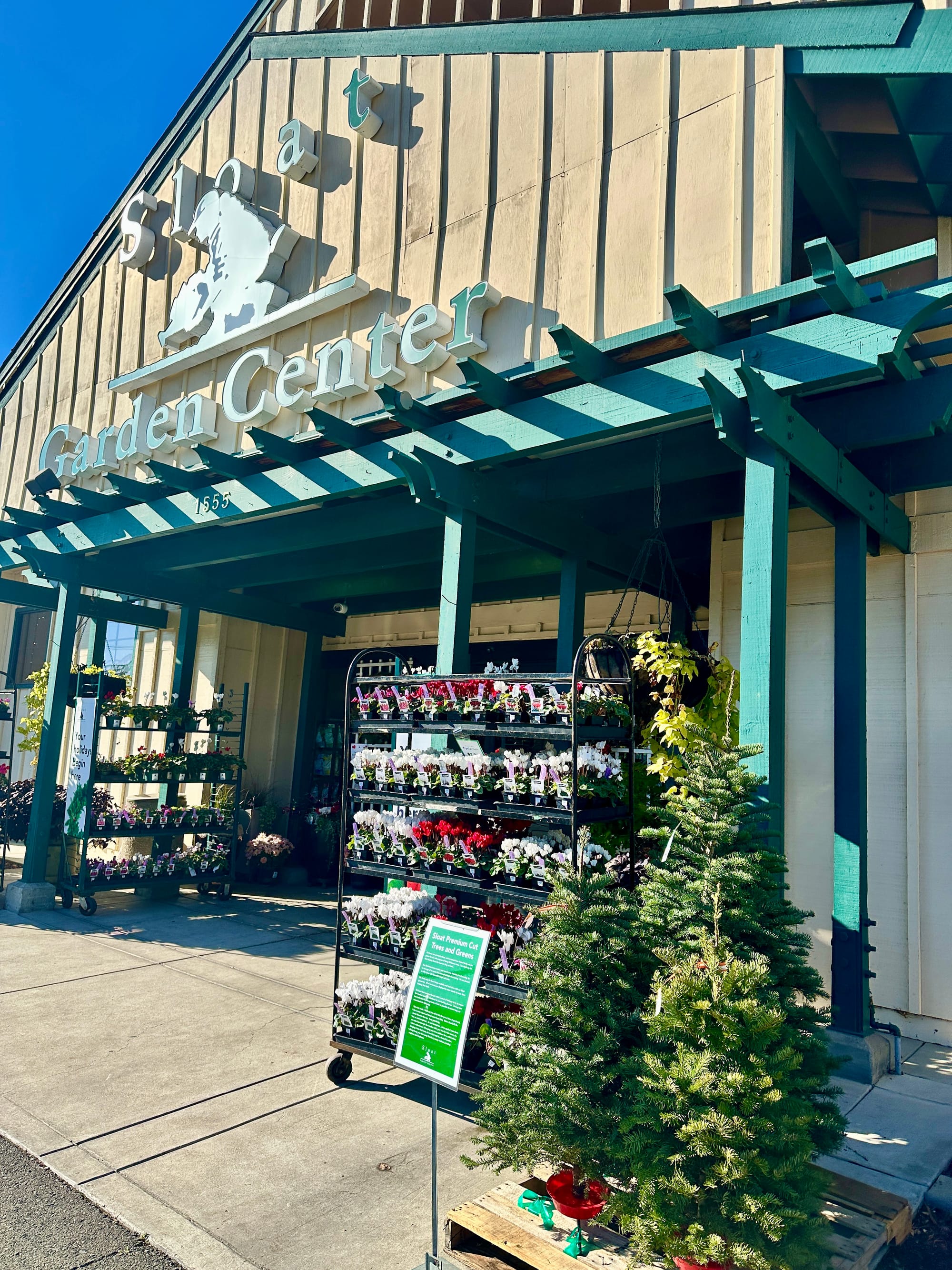
Spring is Sloat's busiest time, but Christmas trees create their own intense demand spike. Both peak seasons require moving heavy, bulky items to customers' homes, exactly the kind of work that used to stretch in-house resources thin.
On-demand delivery services like Lugg change the math entirely. Instead of routing one truck through multiple stops over several hours, Sloat can dispatch multiple independent Lugg crews at the same time.
"We can do six Lugg deliveries in 30 minutes if we wanted to because just six different drivers would come. When you're at peak time, if you can just finalize the delivery and move on, it’s huge."
For Christmas tree lots, this flexibility proved especially valuable. Lugg now handles tree deliveries that previously required dedicated labor hours. Sloat reduced staffing at busy lots without seeing a drop in sales—a clear sign that the efficiency gains were real.
Operational and Financial Impact: Fewer Trucks, Leaner Schedules
The fleet reduction tells the story most clearly. Sloat went from roughly 14 to 15 trucks—one per store plus warehouse vehicles—down to just four trucks total. Reducing fleet size can drive significant lifecycle savings, McKinsey research shows, and Sloat saw that firsthand.
Zack describes the savings as "astronomical" when you add everything up:
- Depreciation: Vehicles lose value whether they're driven or not
- Gas: Fuel costs compound across a dozen locations
- Insurance: Commercial vehicle coverage adds up quickly
- Maintenance: Trucks require regular service, repairs, and eventual replacement
- Staff strain: Assistant managers coming off the sales floor to complete deliveries
"It’s massive on the P&L. All good things."
Beyond the direct costs, there's the labor savings. Hours that previously covered in-house deliveries now go toward customer service on the sales floor. The trade-off has been overwhelmingly positive.
What Great Delivery Looks Like from the Partner's View
When asked for standout delivery stories, Zack paused. Not because there weren't good experiences—but because consistent, reliable service had become the norm rather than the exception.
Lugg drivers often arrive within about 30 minutes of a request. Store teams write deliveries on a board, stage the product, and when a driver shows up, they match the order and load the truck without extra coordination overhead.
"I don’t have anything negative to say about Lugg. The fact that I couldn’t pick one standout moment—because there are too many—is awesome." — Zack Straus
That kind of quiet reliability is exactly what a busy garden center depends on.
Future Opportunities: From Customer Deliveries to Warehouse Logistics
Zack sees potential to expand the partnership beyond customer-facing deliveries. He's interested in whether Lugg can handle larger box trucks with lift gates for internal warehouse-to-store transfers—the kind of work that currently requires dedicated vehicles and scheduling.
Lugg already operates box trucks, and some vehicles in the network include lift gates. Product improvements—like a lift-gate checkbox during booking—are in development based on partner feedback like Zack's.
This evolution from last-mile delivery partner to broader logistics ally represents the next chapter for retailers looking to streamline operations without building out their own fleet infrastructure.
Asked what operations would look like without Lugg, Zack doesn’t hesitate.
"If there was nobody to fill Lugg's shoes we'd be really struggling to keep up. Our managers would be doing deliveries and we'd still be stuck in 2016 mode."
This article highlights the biggest operational shifts from Sloat’s delivery transformation. To hear the full story directly from Zack — including behind-the-scenes details we didn’t cover here — watch the complete interview.
Key Takeaways for Garden Centers and Local Retailers
- Sloat Garden Center uses Lugg for same-day delivery of large plants, pottery, soil, and Christmas trees.
- Outsourcing delivery saves staff time, reduces operational costs, and improves customer experience.
- Lugg’s Business Portal allows Sloat employees to schedule deliveries directly at checkout.
- The partnership helped Sloat reduce its delivery fleet from 14 trucks to 4.
- Lugg improves speed, reliability, and efficiency for large-item delivery across the Bay Area.
When asked what he'd tell other retailers considering Lugg, Zack's answer was simple: "Go for it." Sloat passes delivery costs directly to customers and still gains significantly from the partnership.
Full-Service Customer Experience Without the Fleet
Sloat Garden Center built its reputation on high-touch, full-service retail. Partnering with Lugg lets them extend that promise beyond the register and all the way to the customer's doorstep—without the operational drag of maintaining a dozen trucks.
"Really nice not having 12 pickup trucks," Zack reflects. "I mean the cost saving of not having the delivery vehicles... it is astronomical."
For garden centers and local retailers weighing their delivery options, Sloat's story offers a clear path forward: focus on what you do best, and let an on-demand partner handle the heavy lifting.
Ready to stop sending your best people out in a pickup truck? Talk to our team about Lugg Business to learn how on-demand last-mile delivery can replace your fleet, streamline checkout, and free up your best people. To get more information and be connected to our Partnerships team, please fill out our retailers form.
Watch the full interview
Interview Participants
Holly Benjamin — Head of Marketing, Lugg
Zack Straus — President and Chief Financial Officer, Sloat Garden Center